
Herniated Discs Explained: Why They Happen and How Chiropractic Care Can Help
By Dr. Brad Cudnik
Hearing the words “herniated disc” can sound worrying.
Maybe your back started hurting after lifting something. Perhaps you've noticed tingling or discomfort traveling into your leg. Or maybe an imaging report mentioned a herniated disc, leaving you wondering what it actually means for your spine.
A herniated disc can affect people differently. Some experience back or neck discomfort, while others notice symptoms traveling into an arm or leg.
Understanding what happens to a spinal disc, why nerves sometimes become irritated, and where chiropractic care fits in can make the condition much easier to understand.
At Spinology Chiropractic Spine and Disc Center in San Antonio, TX, we work with patients experiencing disc-related concerns and provide personalized chiropractic and non-surgical spine care based on individual needs.
First, What Actually Happens to a Spinal Disc?
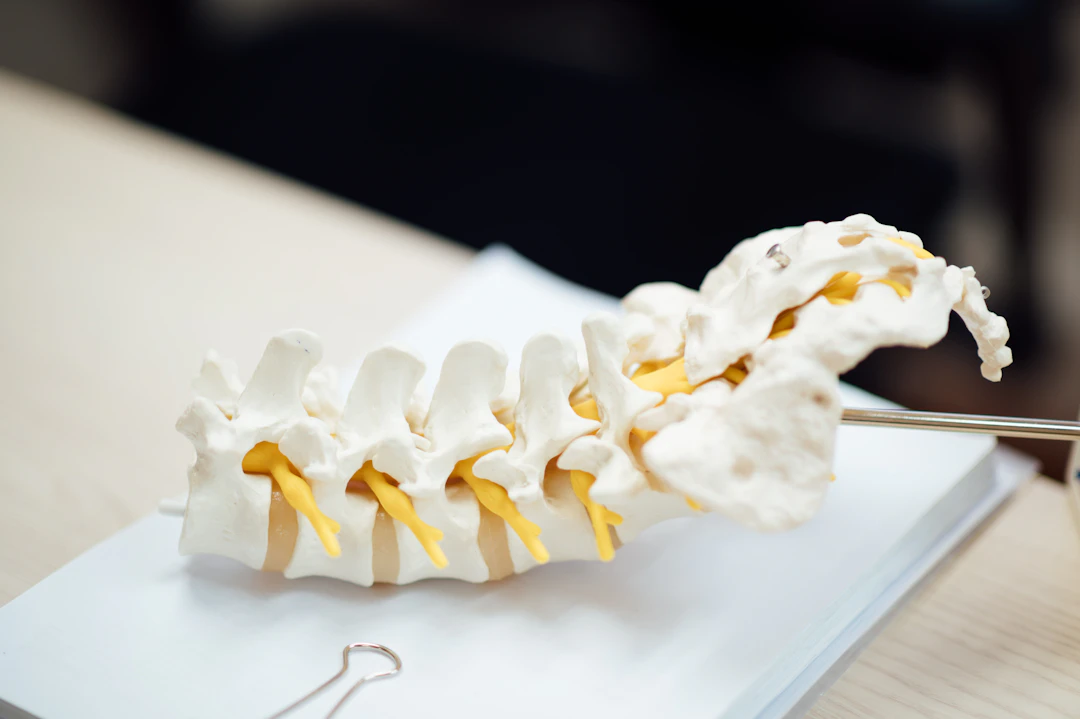
Your spine is made up of individual bones called vertebrae. Between most of these bones are spinal discs that act like small cushions.
These discs help your spine handle everyday movement while allowing you to bend, twist, walk, sit, and exercise.
Each disc has a tougher outer layer surrounding a softer center. A herniated disc develops when material from inside the disc pushes through or into a weakened area of that outer layer.
But having a herniated disc doesn't automatically tell you how you're going to feel.
Symptoms often become more noticeable when the changed disc irritates a nearby nerve. When that happens, discomfort can extend beyond your back or neck and travel into other areas of the body.
How Does a Herniated Disc Develop?
A herniated disc doesn't always begin with one dramatic injury.
Spinal discs naturally change over time. As they change, they can become less flexible and more likely to develop areas of weakness.
Sometimes symptoms begin after lifting, twisting, exercising, or suddenly doing more physical activity than your body is accustomed to.
Imagine returning to heavy lifting after several months away from the gym. Your body is suddenly being asked to handle much more than it has recently experienced.
Repeated physical demands can also play a role. Someone who regularly bends, lifts, or carries heavy objects may place different demands on their spine than someone whose day involves less physical activity.
This doesn't mean bending or lifting is bad for your spine. Your back is designed to move. Gradually building strength and preparing your body for the activities you regularly perform can help it handle those demands more comfortably.
The Symptoms May Be Different Than You Expect
Many people hear “herniated disc” and immediately think of severe back pain.
But disc-related symptoms aren't always that straightforward.
A herniated disc in the lower back can cause discomfort around the back, but it may also lead to symptoms traveling through the buttock and into the leg, sometimes reaching the toes.
A disc problem in the neck may create discomfort that travels through the shoulder and into the arm, hand, or fingers.
Symptoms can include:
- Back or neck discomfort
- Shooting or burning pain
- Tingling or pins and needles
- Numbness
- Pain traveling into an arm or leg
- Weakness in an arm or leg
Interestingly, spinal disc changes can also exist without causing symptoms.
A 2015 systematic review published in the American Journal of Neuroradiology looked at imaging findings in more than 3,000 people without symptoms. Researchers found that several types of spinal changes were common even among people who weren't experiencing pain, and these findings became more common with age.
That tells us something important: what appears on a scan is only part of the story.
How you feel, where your symptoms travel, and how comfortably you're able to move also matter.
Why Nerve Irritation Matters
A herniated disc becomes particularly important when it affects a nearby nerve.
Think of nerves as communication pathways that travel from your brain through your spine to different areas of your body.
When a nerve becomes irritated, symptoms may be felt somewhere other than the location of the disc itself.
For example, a herniated disc in the lower back can irritate a nerve connected to the sciatic nerve. Instead of feeling only back discomfort, you may experience pain, burning, tingling, or numbness traveling through the buttock and down the leg.
This is one way a herniated disc can contribute to sciatica. A similar situation can happen in the neck. Nerve irritation there may cause symptoms extending into the shoulder, arm, or hand.
These patterns can give your chiropractor useful information when assessing what's happening.
Herniated Disc vs. Bulging Disc
A herniated disc and a bulging disc aren't exactly the same thing, even though the terms are sometimes used interchangeably.
A bulging disc generally extends outward beyond its usual position over a broader area. A herniated disc involves a more focused area where material from inside the disc moves outward through or into the outer portion.
Both types of disc changes can exist without causing discomfort. They become more relevant when the changes match the person's symptoms or involve irritation of a nearby nerve.
That's another reason an assessment should include more than an imaging report alone.
How Can Chiropractic Care Help With a Herniated Disc?
When back or neck discomfort keeps returning, travels into an arm or leg, or affects your normal activities, seeing a chiropractor can be an important next step.
A chiropractor can assess your symptoms, understand how the problem is affecting your movement, and recommend chiropractic care based on what they find.
Your chiropractor may ask where the discomfort begins, where it travels, which movements make it better or worse, and whether you're experiencing tingling, numbness, or weakness.
Depending on the findings, chiropractic care may include:
- Chiropractic adjustments
- Mobility exercises
- Strengthening exercises
- Movement guidance
- Advice for sitting, lifting, and everyday activities
The important part is that chiropractic care is based on your symptoms and how the problem is affecting you, rather than focusing only on the words written on an imaging report.
At Spinology Chiropractic Spine and Disc Center, patients looking for herniated disc care in San Antonio receive individualized recommendations based on their symptoms, health history, evaluation, and goals.
For appropriate patients, the practice also offers IDD Accu-Spina Spinal Decompression Therapy, providing another non-surgical spine care option that may be considered for certain disc-related conditions.
Staying Active With a Herniated Disc
Being told you have a herniated disc can make you nervous about movement.
You may start avoiding exercise, bending carefully around everything, or worrying that lifting something will make the problem worse.
But your spine is designed to move.
Rather than avoiding normal movement altogether, your chiropractor can help you understand which movements and exercises are appropriate for your symptoms and guide you as you gradually become more active.
Changing positions regularly can also be helpful, especially if you spend much of your day sitting. When returning to exercise or lifting, gradually building activity is usually more practical than suddenly jumping back into a demanding routine.
The goal is to help you become more comfortable and confident with everyday movement again.
Moving Forward With More Confidence
A herniated disc may sound intimidating, but an imaging finding doesn't define your entire situation.
Your symptoms, nerve involvement, movement, and how the problem affects everyday life all provide important information.
When disc-related discomfort affects sitting, walking, sleeping, working, exercising, or other normal activities, an evaluation can help you better understand what's happening and which care options may be appropriate.
If you're searching for a chiropractor for a herniated disc in San Antonio, TX, Spinology Chiropractic Spine and Disc Center provides personalized chiropractic care and non-surgical spine care based on individual needs.
Contact Spinology Chiropractic Spine and Disc Center in San Antonio to schedule a consultation and learn more about chiropractic care, spinal decompression, and available options for disc-related concerns.
Frequently Asked Questions
Can a herniated disc cause sciatica?
Yes. A herniated disc in the lower back can irritate a nerve connected to the sciatic nerve. This may cause pain, tingling, numbness, or burning sensations that travel through the buttock and into the leg.
Can you have a herniated disc without pain?
Yes. Research has found spinal disc changes in people without symptoms. This is why your symptoms and physical assessment are important when understanding what an imaging finding means for you.
Is a herniated disc the same as a bulging disc?
No. A bulging disc generally extends outward over a broader area, while a herniated disc involves a more focused area of displaced disc material. Both can sometimes irritate nearby nerves.
How can chiropractic care help with a herniated disc?
A chiropractor can assess how disc-related symptoms affect your movement and daily activities. Care may include adjustments, gentle joint movement, exercises, and guidance for sitting, lifting, and everyday movement.