
Why Sitting All Day Is Changing the Way Your Body Feels
By Dr. Brad Cudnik
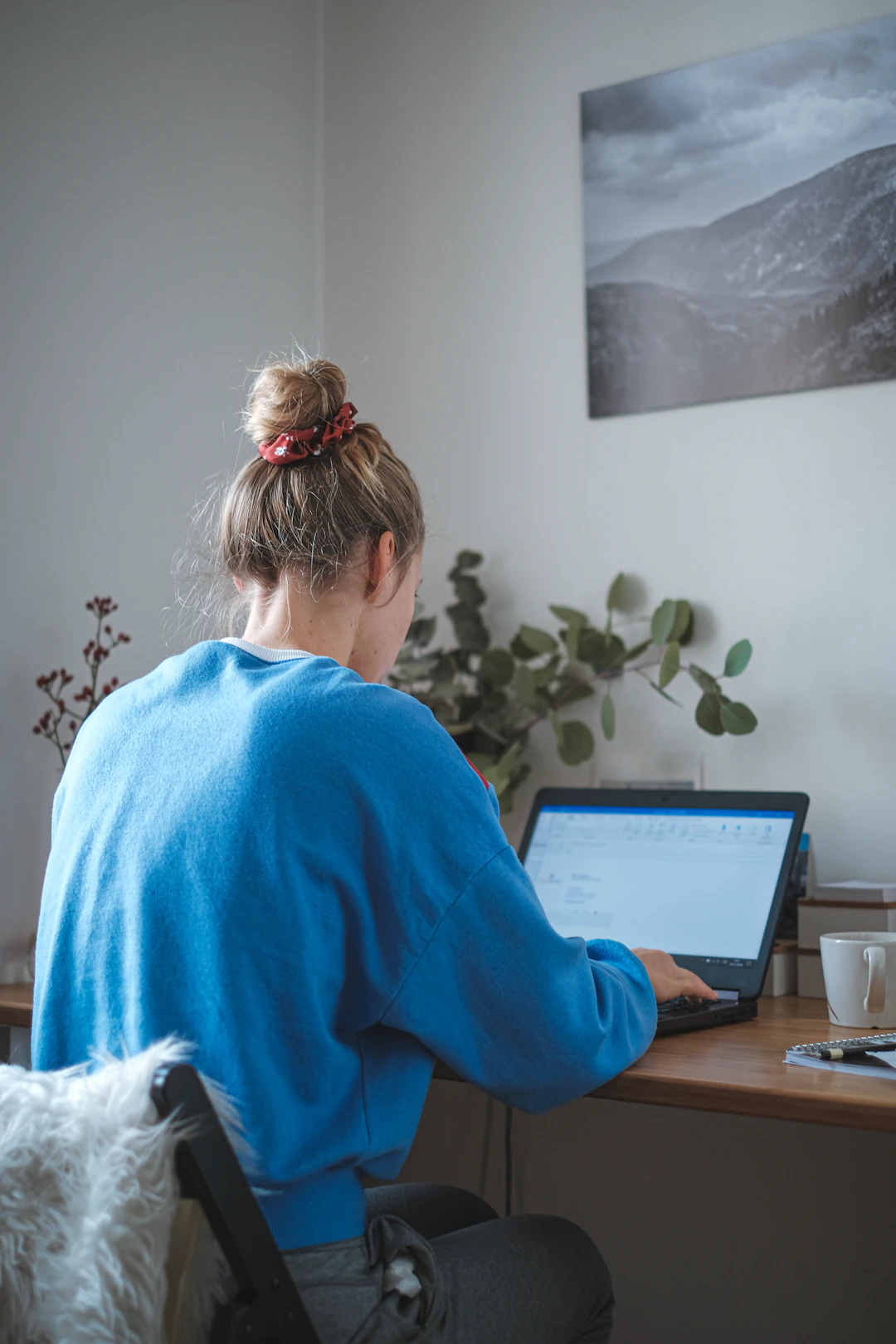
You finish a long workday, stand up from your desk, and suddenly your lower back feels stiff. Your shoulders feel tight, your neck feels tired, and it takes a few steps before your body starts feeling normal again.
Nothing dramatic happened. You did not lift something heavy or suffer an injury. You simply spent most of the day sitting.
As chiropractors, we see this pattern regularly. Modern routines often move from a computer to a car, then to a phone or couch in the evening. That can mean hours of sitting with very little movement in between.
Sitting itself is not the enemy. Our bodies are designed to sit, stand, bend, walk, lift, and move through many different positions. The bigger issue is often prolonged sitting without enough movement or position changes throughout the day.
At Spinology Chiropractic Spine and Disc Center in San Antonio, TX, we work with many patients who deal with back stiffness, neck tension, desk-related discomfort, and mobility changes caused by long hours at work.
Why Sitting All Day Can Leave You Feeling Stiff
Our bodies respond well to movement and variety.
During a normal active day, we walk, turn, reach, bend, stand, sit, and change positions without thinking about it. During a desk-heavy workday, many of those movements disappear.
The hips stay bent for long periods, the neck remains focused toward a screen, and the lower back spends hours in similar positions. As the day continues, the shoulders may begin to round and the head may gradually move forward toward the monitor.
Common complaints we hear from people who sit for long periods include:
- Lower back stiffness after sitting
- Neck and shoulder tension
- Feeling stiff when first standing
- Upper back tightness
- Discomfort after long drives
- Tiredness around the neck after screen use
- Feeling the need to constantly stretch
This does not automatically mean sitting has damaged your spine. Often, the body simply needs more opportunities to move.
Research cited in the original article found that total sitting time alone had a mixed relationship with lower back pain, while more static sitting, fewer breaks, and certain sitting behaviors showed stronger associations.
That distinction matters. Instead of becoming afraid of sitting, we should pay more attention to how long we remain still and how often we change positions.
Why Your Lower Back Feels Different After Sitting
Lower back stiffness is one of the most common desk-related complaints we see.
Someone may feel relatively comfortable while working but notice the stiffness as soon as they stand. The first few steps feel tight, and then walking around for a few minutes helps things loosen up.
During prolonged sitting, the lower back, hips, and surrounding muscles remain within a fairly limited range of positions.
You might lean toward the computer, shift toward one side, cross your legs, slide lower in the chair, or sit closer to the edge of the seat.
None of these positions is automatically bad.
The problem is more likely to develop when the body stays relatively still for hours without much variation.
That is why we prefer to talk about movement variety rather than perfect posture. Your spine does not need to remain perfectly straight all day. It needs regular opportunities to move.
If lower back pain after sitting keeps becoming part of your workday, a chiropractic evaluation can help us better understand how your lower back and hips are moving and which habits may be contributing.
Your Neck and Shoulders Are Part of the Same Story
Desk work affects more than the lower back.
Think about where your head is during a busy afternoon. You may begin the morning sitting comfortably, but as you become focused on work, your head gradually moves closer to the screen.
Then the workday ends and your attention moves from the computer to your phone. Hours of screen use can contribute to neck stiffness, shoulder tension, forward head posture, and tech neck.
This does not mean your phone is damaging your neck every time you look down. The issue is more about repetition and how long your neck remains in similar positions.
Exercise can help here too. The original article references a 2024 review suggesting strengthening exercises for the neck, shoulders, and surrounding muscles may help people with chronic neck pain, although the certainty of evidence was limited.
That is why simply telling someone to “sit up straight” is rarely enough. The neck also benefits from movement, mobility, and strength.
Sitting Is Not Bad — Staying Still Is the Bigger Problem
There is a lot of fear-based information around sitting and posture.
You may have heard that sitting is “destroying your spine” or that one wrong posture is responsible for every back problem.
The reality is more complicated.
Instead, we look at the whole day.
How long are you sitting? How frequently are you moving? Are you exercising outside work? Does walking make your back feel better? Does your neck become stiff after several hours on a laptop? Are you sitting during the workday and then spending most of the evening sitting too?
Two people can sit for a similar amount of time and feel completely different because their strength, activity levels, routines, and movement habits are different.
How Chiropractic Care Can Help With Desk-Related Stiffness
When someone visits us at Spinology Chiropractic Spine and Disc Center with back pain from sitting, neck stiffness, tech neck, or desk-related discomfort, we do not only focus on where they hurt.
We want to understand what their entire day looks like.
We may consider how comfortably the neck and back move, where stiffness develops, how many hours are spent sitting, what the workstation looks like, how active the person is outside work, and which movements make the discomfort better or worse.
Personalized chiropractic care may work alongside:
- Mobility exercises
- Strengthening exercises
- Posture guidance
- Workstation recommendations
- Movement-break strategies
- Advice for returning to regular exercise
- Practical changes for everyday activities
For example, someone experiencing neck pain from sitting may benefit from chiropractic care, but we also want to understand their screen position, how frequently they move, and whether their neck and upper back need additional strengthening.
Someone dealing with lower back pain after sitting may need a different approach involving hip mobility, strengthening, activity changes, and more frequent movement during the workday.
That is why our approach to chiropractic care in San Antonio is personalized rather than treating every stiff back or neck exactly the same way.
Small Changes Can Make Your Workday More Comfortable
You do not need to completely redesign your office or stop every thirty minutes for a full exercise routine.
Start with changes that are realistic enough to repeat every day.
Try to:
- Stand and move between meetings
- Walk during some phone calls
- Change your sitting position regularly
- Take a short walk during lunch
- Move your shoulders and neck after long screen sessions
- Keep your monitor at a comfortable height
- Keep your keyboard and mouse within easy reach
- Exercise regularly outside work
- Include strengthening as well as stretching
Research also suggests workplace strategies can reduce sedentary time, although reducing sitting alone should not be treated as a complete solution.
The practical lesson is simple: movement breaks are useful, but overall activity, exercise, strength, and daily habits still matter.
Taking Care of Your Spine During a Desk-Heavy Day
Most people cannot simply stop sitting, and they do not need to.
A better goal is to build more movement into the day.
Make your workstation comfortable, but do not become obsessed with perfect desk posture. Change positions regularly. Walk when you can. Keep exercising. Build strength and pay attention to the patterns that consistently make your neck or back feel better.
Chiropractic care can support comfortable movement while providing guidance around mobility, strengthening, posture, and daily work habits.
At Spinology Chiropractic Spine and Disc Center, we want our patients to feel confident moving—not afraid of chairs, phones, computers, or normal positions.
Your body does not need one perfect posture. It needs more opportunities to move throughout the day.
Frequently Asked Questions
Why does my lower back hurt after sitting all day?
Prolonged sitting can leave the lower back feeling stiff, particularly when you stay relatively still for several hours. Activity level, strength, sitting habits, workstation setup, and how often you change positions can all influence how your back feels.
Is sitting all day bad for your spine?
Sitting is a normal activity and is not automatically harmful. The bigger concern is often long periods of static sitting combined with limited movement and low overall activity.
Why does desk work make my neck stiff?
Long periods of computer and phone use can keep the neck in similar positions for hours. This can contribute to neck stiffness and shoulder tension, particularly when movement and exercise are limited.
How can chiropractic care help with back pain from sitting?
A chiropractor can assess how the neck, back, and surrounding areas are moving and identify daily habits that may be contributing to discomfort. Care can also include mobility work, strengthening exercises, posture guidance, and workstation recommendations.
Is standing all day better than sitting?
Not necessarily. Standing in one position for hours can also become uncomfortable. The better approach is usually to alternate between sitting, standing, walking, and other movements throughout the day.
Final Thoughts
Sitting is a normal part of modern life, but spending hours in the same position can influence how your neck, shoulders, lower back, and hips feel by the end of the day.
The solution is not to become afraid of sitting or obsess over perfect posture.
Instead, focus on regular movement, strength, mobility, and work habits that give your body more variety throughout the day.
At Spinology Chiropractic Spine and Disc Center in San Antonio, we help busy professionals and desk workers better understand how their daily routines may be affecting their movement and comfort.
If back pain from sitting, neck stiffness, tech neck, or desk-related discomfort keeps returning, contact Spinology Chiropractic Spine and Disc Center to schedule a consultation. We can evaluate your individual movement patterns and help you build a care plan that works with your daily routine.